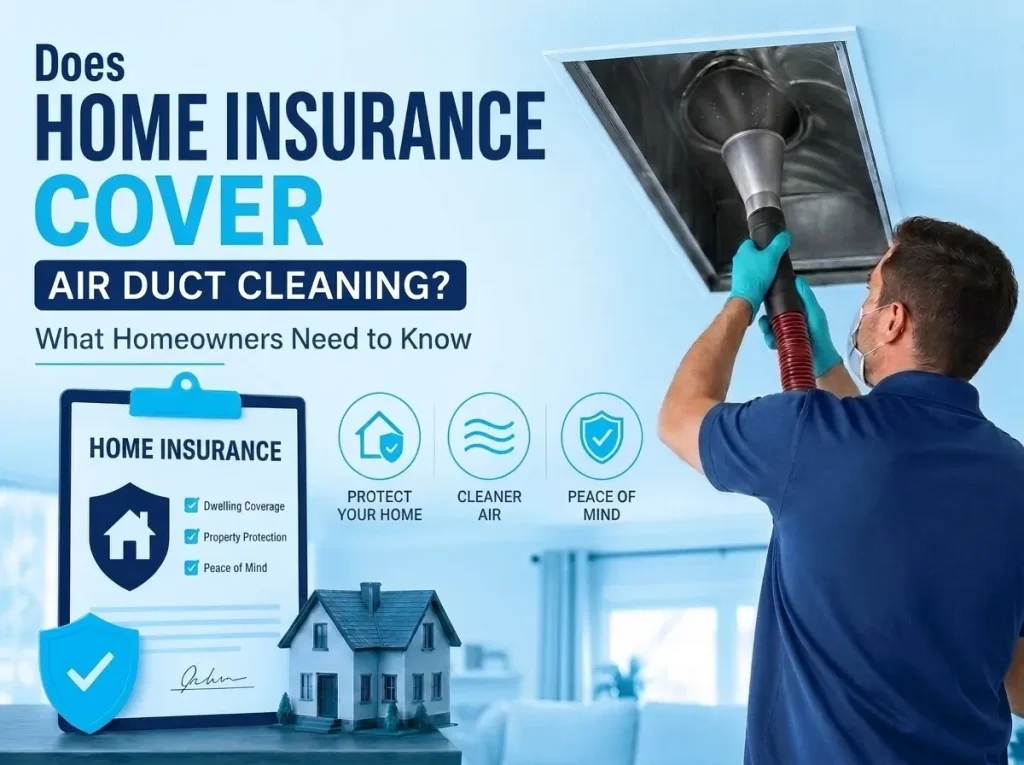
You open a quote for cleaning your home’s ductwork, and the number makes you pause. The next thought is a fair one. Will your homeowners policy pick up the bill? The short answer is that most of the time it will not, because insurers treat air duct cleaning as upkeep you owe your own home.
There are moments when the answer flips, though, and knowing the difference can save you a claim that gets denied and a fight you cannot win.
When Home Insurance Covers Air Duct Cleaning
Home insurance draws a hard line between two kinds of work. One is maintenance, the upkeep every home needs over the years. The other is damage from a covered peril, a sudden and accidental event that your policy names. A peril is any harm to your home from an outside force that the policy spells out, such as fire, a burst pipe, a storm, or vandalism. Routine air duct cleaning falls on the maintenance side, so a standard policy leaves it out. The moment a covered peril fills your ducts with smoke, water, or mold, the cleaning can move to the other side of that line and become part of a claim.
This is the whole idea in one sentence. Insurers pay to restore your home after an accident, and they do not pay to keep it clean. Once you read your policy through that filter, most of the confusion clears up.
Read More: What’s Included in a Professional Air Duct Cleaning Service?
When Your Policy Will Not Pay for Duct Cleaning
Most homeowners land here, so it helps to see it plainly. Standard policies exclude wear and tear, aging, and anything the insurer counts as neglect. Dust and debris that build up over three to five years of normal use are the classic example, and no carrier treats that as an accident. These are the situations where a claim gets turned down:
- Dust, dander, and debris that gather over time from everyday heating and cooling cycles.
- Mold that grows because a small leak went ignored, since the insurer reads that as negligence rather than a sudden event.
- Damage from pests, such as rodents chewing through ductwork, which carriers file under maintenance.
- Slow deterioration of old ducts, because nothing sudden or accidental caused it.
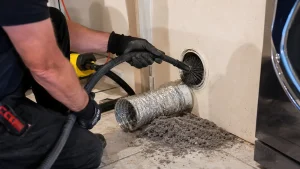
The negligence trap catches many people. When you notice a minor leak near the HVAC unit and let it sit, and mold later spreads through the ducts, the carrier ties the mold back to the leak you left alone. That single choice turns a possible claim into a denial. Keeping up with cleaning through a dryer vent cleaning schedule and quick leak repairs is what protects both your home and your future claim.
When Home Insurance Does Cover Air Duct Cleaning
Now the part that gives you room to breathe. When a covered peril damages your system, the cleaning that follows can ride along inside the larger claim. The cleaning has to be restorative, meaning it fixes contamination from a covered event, rather than preventive upkeep. These are the cases where coverage tends to apply:
Fire and Smoke Damage
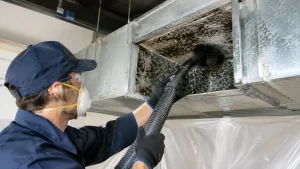
After a house fire, smoke and soot travel deep into the duct system and settle where you cannot reach. Cleaning or replacing those ducts becomes part of the fire restoration, and a standard policy usually treats it as a covered cost. The reasoning is simple, since the fire, a named peril, caused the contamination.
Sudden Water Damage and the Mold That Follows
A pipe bursts, a water heater fails, or an appliance floods the floor. When that water reaches the ducts and mold grows out of the accident, the mold removal can count as part of the water damage claim. One firm puts it directly that after pipes thaw and water soaks your floors, many policies will pay for the HVAC system and ducts to be cleaned once the drywall, cabinets, and floors are repaired. The mold cleanup folds into the overall claim instead of standing as its own fight.
Storms, Vandalism, and Falling Objects
High winds can drive debris through ductwork, and hail can dent or break it. A tree limb through the roof that lets rain into the system falls in the same group. When someone breaks in and damages the ducts, vandalism coverage steps in too. Each of these is sudden, accidental, and named in most policies, which is the combination carriers look for.
The Line Between Preventive and Restorative Cleaning
This one distinction decides most claims, so it is worth slowing down on. Preventive cleaning is the service you schedule because the ducts are due, and that is on you. Restorative cleaning repairs a mess that a covered event created, and that is where the policy leans your way. Carriers read the two very differently, and they will ask which one your bill represents. When you file, the goal is to show the cleaning was necessary because of a covered peril, not because the calendar said so.
Coverage also carries limits you want to know before you count on it. Many policies cap what they pay for mold remediation, and mold is a common exclusion unless a covered peril caused it. The national average for a mold remediation project runs about $2,364, and extensive cases climb far past that, so the cap matters. If your deductible is high and the payout is small, paying out of pocket can cost less than filing at all. That math is worth running before you open a claim.
Home Insurance, Home Warranty, and What Each One Skips
People mix these two up, and the mix-up leads to denied expectations. A home warranty and a home insurance policy answer different questions, and neither one treats duct cleaning as a given:
- Home insurance covers sudden, accidental damage from named perils, and the duct cleaning that restores your system after such an event.
- A home warranty covers repair and replacement of systems that break down from normal use, yet most warranties skip routine duct cleaning unless a covered HVAC failure caused the mess.
Some carriers let you add an endorsement, a rider that widens your coverage for the HVAC system or for mold. This raises your premium and can carry its own deductible, though in storm-prone or older homes, the trade can pay off. A short call to your agent about endorsements tells you where you stand before a problem forces the question.
Also Read: Air Duct Cleaning After a Home Renovation: Why It’s Non-Negotiable
How to File a Duct Cleaning Claim Without Getting Denied
When a covered event does hit, how you handle the first day shapes the payout. Carriers reward clear proof and punish delay, so a steady process protects you. These steps carry the most weight:
- Call your insurer as soon as the damage happens, and follow each instruction they give for the claim.
- Document everything with photos and video before any cleanup begins, since the evidence is what ties the cleaning to the peril.
- Keep your maintenance records, because a history of upkeep shows the damage came from an accident, not neglect.
- Hire a certified duct cleaner and get a written estimate, so the carrier sees a professional scope rather than a guess.
Acting fast also protects your claim in a second way. Policies expect you to prevent further harm after a covered event, so drying out the area and stopping the moisture keeps a small approval from turning into a denial for letting mold spread.
Keep Small Duct Problems from Becoming Big Claims
A denied claim hurts most when it could have been avoided. Every ignored leak, every skipped cleaning, and every damp corner near the HVAC unit is a future bill waiting to land on you instead of your insurer. Clean ducts are not only about fresher air. They are the difference between a claim your carrier honors and a maintenance cost you swallow alone, and by the time mold spreads through the system, the choice is already made for you.
We are Omega Duct Cleaning, and we work with homeowners across Teaneck, New Jersey, and the surrounding areas on inspection, cleaning, disinfecting, and restoration of ductwork after fire, water, and mold events. Our certified team uses proven methods to clear your system and leaves you with the documentation you need when an insurer asks for proof. From a routine clean to storm and water restoration, we handle the ducts so your home and your claim stay protected.
Waiting only lets the dust, the moisture, and the risk grow heavier. Contact us today for a free inspection, and let us help you protect your air, your family, and the claim you may need down the road.