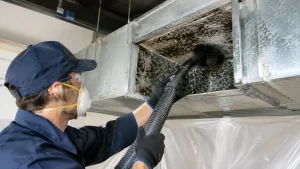
Your dryer works hard to keep your clothes clean and fresh. While you focus on laundry, you might overlook an essential part of your dryer system, and that is the vent. A poorly maintained dryer vent can lead to longer drying times, higher energy bills, or even dangerous fires.
In this blog, we will explore when you need to inspect the vents and schedule dryer vent repair services.
Importance of Dryer Vent Inspection
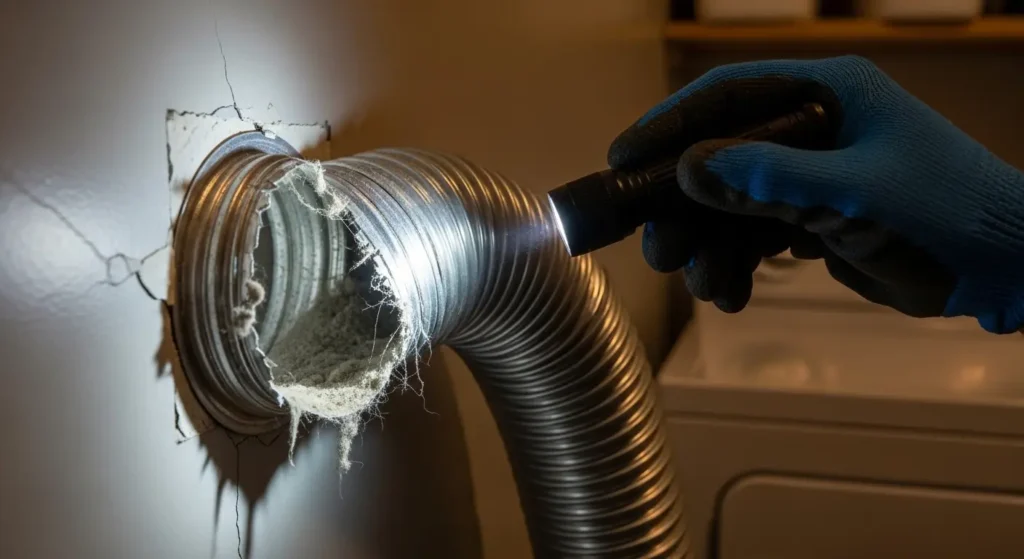
Many homeowners underestimate the role of a dryer vent. The vent carries hot, moist air from your dryer to the outside of your home. Over time, lint, dust, and debris can accumulate inside the vent. This buildup restricts airflow and causes the dryer to work harder.
Restricted airflow increases energy consumption, shortens the lifespan of your dryer, and raises the risk of overheating. According to the U.S. Fire Administration, thousands of dryer fires occur every year, with lint buildup as the leading cause. Regular inspection is not just a maintenance step; it is a crucial safety measure.
Signs Your Dryer Vent Needs Attention
Before scheduling an inspection, look for warning signs that your dryer vent may need cleaning or repair. Catching problems early prevents costly damage and hazards.
Clothes Take Longer to Dry
If your dryer struggles to dry clothes in its usual time, the vent may be clogged. Restricted airflow prevents moisture from escaping efficiently, so the dryer runs longer to complete cycles.
Dryer Feels Hot to Touch
Excess heat is a red flag. When vents clog, your dryer cannot release hot air, which causes the drum and exterior to overheat. Overheating can damage internal components and even start a fire.
Lint Around the Dryer
Notice lint accumulating around the dryer or in the laundry area? This usually indicates a blockage or leak in your vent system. Even small vent issues can scatter lint into your home, which is a fire hazard.
Musty Odor or Smoke
A burning smell, smoke, or musty odor signals trapped lint or moisture inside the vent. Address this immediately to prevent hazards and potential structural damage to your home.
Also read: How to Check Your Dryer Vent
How Often Should You Inspect Your Dryer Vent?
Determining inspection frequency depends on several factors, including dryer usage, type of vent, and household size. Here are professional guidelines:
General Rule of Thumb
Most experts recommend inspecting your dryer vent at least once a year. This yearly check allows you to catch lint buildup, leaks, and other issues before they escalate.
Heavy Dryer Use
If you do laundry multiple times per week or run commercial dryers, inspect the vent every six months. High usage accelerates lint accumulation and increases the risk of damage.
Older Homes or Dryers
Older homes may have longer, more complex vent systems. Older dryers might also lack modern safety features. In such cases, inspect the vent twice a year to ensure everything functions safely.
Homes with Multiple Occupants
Large households produce more laundry, so your dryer vent may clog faster. Check vents every six to nine months for optimal performance.
Step-by-Step Dryer Vent Inspection Guide
Inspecting your dryer vent does not require expensive tools, but it requires attention to detail. Follow this step-by-step guide:
Disconnect the Dryer
Before inspecting, unplug the dryer from the power source. If your dryer is gas-powered, turn off the gas supply. Safety first.
Pull the Dryer Away from the Wall
Move the dryer slightly away from the wall to access the vent at the back. Inspect the vent hose for any kinks, tears, or loose connections.
Check the Vent Exterior
Go outside and locate the vent exit. Make sure the vent flap opens freely, and no lint blocks the airflow. Debris, bird nests, or small animals can sometimes clog vents.
Remove and Inspect the Vent Hose
Detach the vent hose from the dryer and the wall. Examine it for lint buildup, corrosion, or damage. Flexible foil hoses often tear or sag, which can trap lint.
Clean the Vent
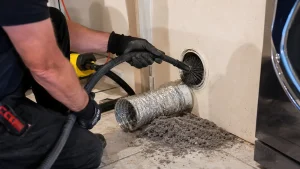
Use a vent brush or vacuum to remove lint from the hose and vent system. For long vents, a professional dryer vent cleaning service ensures thorough cleaning.
Reattach and Test
Secure the hose and push the dryer back into place. Run a short drying cycle to confirm smooth airflow. Your clothes should dry faster, and the exterior should stay cool.
Dryer Vent Materials and Their Maintenance Needs
The type of vent material affects inspection and cleaning frequency. Here’s a breakdown:
Aluminum or Metal Ducts
Metal ducts are durable and safe. Inspect for corrosion, disconnections, or accumulated lint. Metal ducts last longer and reduce fire risks compared to plastic or foil.
Flexible Plastic or Foil Ducts
Avoid using plastic ducts. They easily trap lint and are more prone to fires. If you have foil ducts, inspect them every six months and replace them with rigid metal ducts if possible.
Rigid PVC Ducts
PVC ducts are not recommended for dryer vents because heat can soften them. However, if installed, check for cracks and ensure vents remain free of lint.
Why Timely Vent Repair Matters
Neglecting vent inspection can have serious consequences. Here’s why repairing your dryer vent promptly matters:
Fire Prevention
Lint is highly flammable. A clogged vent increases the risk of fire. Regular inspection and repair reduce the chance of a household fire.
Energy Efficiency
A clean vent helps your dryer run efficiently, lowering energy bills. A blocked vent forces your dryer to work harder, consuming more electricity or gas.
Prolongs Dryer Lifespan
Heat buildup stresses dryer components. Keeping vents clean prevents motor burnout and extends your dryer’s lifespan.
Prevents Structural Damage
Moisture trapped in vents can lead to mold growth inside walls. Mold can damage your home’s structure and pose health risks.
DIY Dryer Vent Maintenance Tips
You can maintain your dryer vent yourself with simple habits:
Clean the Lint Trap After Every Load
Always clean the lint trap before or after each load. This prevents excess lint from entering the vent system.
Keep the Area Around the Dryer Clean
Vacuum or sweep around your dryer. Lint on the floor indicates potential vent issues.
Avoid Overloading the Dryer
Overloading reduces airflow inside the drum and increases lint buildup in the vent.
Use Short, Straight Vent Runs
If possible, use a short and straight vent path. Longer, twisting vents trap more lint and require frequent inspection.
Professional Dryer Vent Inspection
While DIY maintenance helps, professionals provide thorough inspection and cleaning. Consider hiring an expert if:
- The vent has complex bends or long runs
- You notice smoke or burning smells
- Your dryer takes significantly longer to dry clothes
- You have multiple vents or a commercial dryer
Professionals use specialized brushes and vacuum systems to remove deep-seated lint and identify hidden leaks.
Seasonal Considerations
Certain seasons demand extra attention:
Winter
Cold weather may freeze moisture in vents, restricting airflow. Inspect vents in early winter to prevent ice blockages.
Spring and Fall
These seasons often bring debris from storms, leaves, and dust. Check outdoor vent exits regularly.
Common Dryer Vent Problems and Fixes
Understanding common problems helps you act quickly:
Blocked Vent
Solution: Remove lint manually or hire a professional cleaning.
Crushed or Kinked Hose
Solution: Replace with a rigid or semi-rigid metal duct.
Vent Flap Does Not Open
Solution: Clear obstructions or replace the flap to ensure proper airflow.
Leaks Inside the Vent
Solution: Seal leaks with metal foil tape. Avoid using duct tape as it deteriorates with heat.
Read More: How Commercial Air Duct Cleaning Differs from Residential Services
How Inspection Frequency Saves Money
Neglecting dryer vent inspections costs more in the long run:
- Longer drying times increase energy bills.
- Lint buildup can cause motor damage, requiring costly repairs.
- Preventable fires can destroy property and lead to insurance claims.
Regular inspection reduces these risks and ensures efficient operation.
Health Implications of Neglected Dryer Vents
Clogged vents can cause more than just property damage. Moisture trapped in vents promotes mold and mildew growth, which can spread into your home. Mold spores trigger allergies, asthma, and respiratory issues. Regular inspection prevents these health risks.
How to Create a Dryer Vent Maintenance Schedule
A maintenance schedule keeps you consistent:
- Set reminders to inspect the vent at least once a year.
- Increase frequency if you notice performance issues.
- Include professional cleaning every two years, even if no problems appear.
Do you need dryer vent repair services? Omega Duct Cleaning is just a call away. We have been in this industry for over a decade providing professional dryer vent inspection, repair and maintenance services. Whenever you detect any issue in the vents, give us a call and leave the rest to our professionals.