Air duct cleaning in NJ looks simple from the outside, but professionals rely on advanced tools and a well-planned process to deliver safe and effective results. If you run a home, a restaurant, or a commercial space, clean air ducts improve air quality, increase HVAC efficiency, and protect your health.
In this blog, we will be discussing what equipment professional air duct cleaners use, how each tool works, and why experts prefer specialized machinery over basic cleaning methods.
Use of Professional Equipment in Air Duct Cleaning
Many people think a vacuum cleaner and a brush can handle duct cleaning. That idea causes more harm than good. Dust, allergens, mold spores, and debris stick deep inside duct systems. Basic tools cannot reach or remove them properly.
Professional equipment offers:
- Deep cleaning power
- Controlled suction and airflow
- Safe removal of contaminants
- Protection for duct surfaces
- Better indoor air quality
When technicians use the right tools, they clean the entire system instead of just the visible parts.
High Powered Vacuum Systems
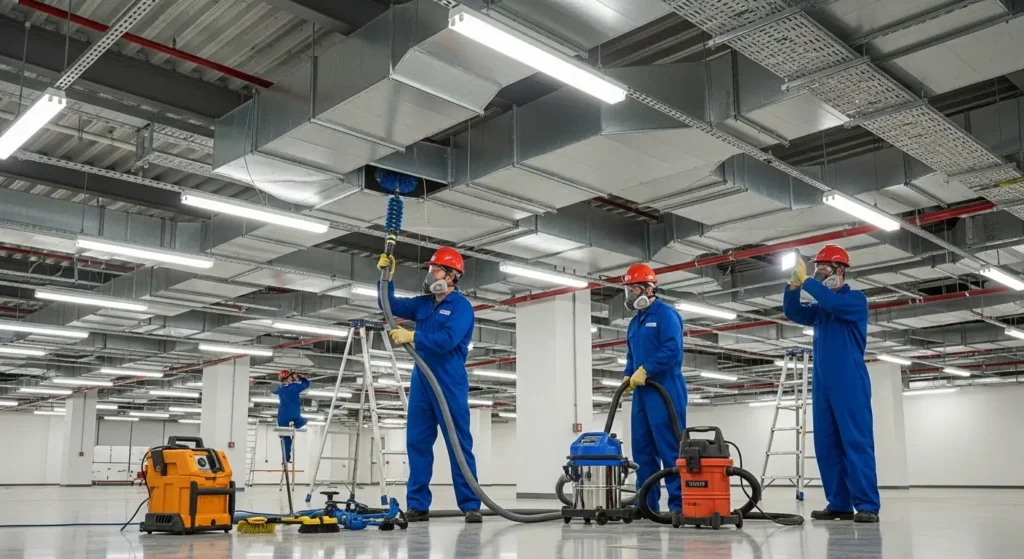
The vacuum system acts as the backbone of professional duct cleaning. It creates strong suction that pulls dust and debris out of the ducts.
Truck Mounted Vacuum Systems
Truck mounted systems deliver the highest level of suction. Professionals connect long hoses from the truck to your duct system. These machines generate massive airflow, which removes even the heaviest buildup.
Benefits:
- Strong suction power
- Ideal for large homes and commercial buildings
- Efficient and fast cleaning
Portable Vacuum Units
Portable systems work well in apartments, smaller homes, and tight spaces. These units still provide strong suction but offer more flexibility.
Benefits:
- Easy to move inside the property
- Suitable for smaller duct systems
- Cost effective solution
Both types use HEPA filtration to trap fine particles and prevent them from reentering the air.
Also Read: Why Some Industrial Facilities Need Duct Cleaning Every Quarter
Rotary Brush Systems
Rotary brushes play a key role in loosening dirt and debris stuck inside duct walls. These brushes attach to flexible rods or cables that spin at high speed.
How Rotary Brushes Work
The rotating motion scrubs the inner surfaces of ducts. This action breaks up dust, grease, and debris so the vacuum system can remove it easily.
Types of Brushes
Professionals select brushes based on duct material:
- Soft brushes for fiberglass ducts
- Medium brushes for flexible ducts
- Hard brushes for metal ducts
Using the correct brush protects the duct system while ensuring deep cleaning.
Air Whips and Skipper Balls
Air whips and skipper balls use compressed air to dislodge debris inside ducts. These tools work alongside vacuum systems for maximum efficiency.
Air Whips
Air whips feature rubber tentacles that move rapidly with compressed air. They hit duct surfaces and shake loose dirt and dust.
Advantages:
- Reaches corners and tight areas
- Safe for most duct types
- Breaks stubborn buildup
Skipper Balls
Skipper balls shoot air in multiple directions while moving through the ducts. This action pushes debris toward the vacuum system.
Advantages:
- 360 degree cleaning action
- Effective in long duct runs
- Improves cleaning speed
Negative Air Machines
Negative air machines create controlled airflow inside the duct system. Professionals use these machines to maintain proper pressure during cleaning.
Why Negative Air Pressure Matters
When technicians create negative pressure, all loosened debris moves toward the vacuum instead of escaping into your home.
Key Benefits
- Prevents contamination spread
- Improves cleaning efficiency
- Maintains indoor air quality
This method ensures a clean and safe process from start to finish.
HEPA Filtration Systems
High Efficiency Particulate Air filters trap microscopic particles during cleaning. These filters capture dust, pollen, bacteria, and mold spores.
Why HEPA Filters Matter
Without proper filtration, harmful particles can circulate back into your living space. HEPA systems solve this problem by trapping even the smallest contaminants.
Features
- Captures particles as small as 0.3 microns
- Improves indoor air quality
- Protects sensitive individuals
Professionals never compromise on filtration because it directly affects health outcomes.
Inspection Cameras and Video Systems
Inspection tools help professionals see inside duct systems before and after cleaning.
Duct Inspection Cameras
These cameras attach to flexible cables and travel through ducts. They provide real time visuals on a screen.
Why Inspections Are Important
- Identify heavy buildup
- Detect mold or blockages
- Check for damage or leaks
- Verify cleaning results
With visual proof, clients gain confidence in the service.
Compressed Air Tools
Compressed air systems power many cleaning tools. Technicians use air compressors to generate strong airflow for different equipment.
Applications
- Operating air whips and skipper balls
- Blowing debris toward vacuum systems
- Cleaning vents and registers
Benefits
- High efficiency
- Deep penetration into ducts
- Faster cleaning process
Compressed air tools make the cleaning process more effective and thorough.
Hand Tools and Basic Equipment
Even with advanced machinery, professionals rely on basic tools for detailed work.
Common Hand Tools
- Screwdrivers for vent removal
- Brushes for small areas
- Picks for debris removal
- Cloths for finishing touches
These tools help technicians handle delicate parts and ensure a complete cleaning job.
Duct Sealing and Repair Tools
Professional cleaners often find leaks or damaged sections during inspection. They use specialized tools to fix these issues.
Sealing Equipment
- Mastic sealants
- Foil tapes
- Applicator tools
Repair Tools
- Cutting tools
- Fasteners
- Replacement duct sections
Proper sealing improves airflow efficiency and prevents future contamination.
Sanitizing and Disinfecting Equipment
After cleaning, professionals may apply sanitizers to eliminate bacteria and odors.
Fogging Machines
Foggers release a fine mist of disinfectant throughout the duct system. This method ensures even coverage.
Benefits
- Eliminates bacteria and mold
- Removes unpleasant odors
- Improves air freshness
Technicians always use safe and approved solutions for indoor environments.
HVAC System Cleaning Tools
Air ducts connect to the HVAC system, so professionals clean these components as well.
Coil Cleaning Equipment
Coils collect dust and dirt over time. Specialized tools clean them without causing damage.
Blower Cleaning Tools
Blowers move air through the system. Cleaning them improves airflow and efficiency.
Drain Line Cleaning Tools
Clogged drain lines cause moisture problems. Professionals use tools to clear these lines and prevent mold growth.
Protective Equipment for Technicians
Safety plays a major role in professional duct cleaning. Technicians wear protective gear to avoid exposure to contaminants.
Essential Safety Gear
- Respirators or masks
- Gloves
- Safety goggles
- Protective suits
This equipment ensures safe handling of dust, allergens, and potential mold.
Advanced Robotic Cleaning Systems
Modern duct cleaning now includes robotic systems. These machines move inside ducts and clean hard to reach areas.
Features of Robotic Systems
- Remote controlled movement
- Built in cameras
- Rotating brushes
Benefits
- Ideal for complex duct systems
- Provides detailed inspection
- Enhances cleaning precision
These systems represent the future of air duct cleaning technology.
How Professionals Combine Equipment for Best Results
No single tool can clean a duct system completely. Professionals follow a structured approach using multiple tools together.
Step by Step Process
- Inspect ducts using cameras
- Set up vacuum system and create negative pressure
- Use brushes and air tools to loosen debris
- Remove contaminants with vacuum
- Clean HVAC components
- Apply sanitizers if needed
- Perform final inspection
This combination ensures deep cleaning and long lasting results.
Signs That Professionals Use the Right Equipment
When you hire a service, you can identify quality work by observing their tools and methods.
What to Look For
- Use of HEPA vacuum systems
- Presence of inspection cameras
- Proper sealing during cleaning
- Use of air powered tools
- Clear explanation of process
Avoid companies that rely only on basic vacuums or manual cleaning.
Benefits of Using Professional Equipment
When experts use advanced tools, you enjoy several benefits:
- Improved Air Quality: Clean ducts reduce allergens and pollutants in your home.
- Better Energy Efficiency: A clean system allows air to flow freely, reducing energy consumption.
- Longer HVAC Lifespan: Removing debris prevents wear and tear on system components.
- Healthier Living Environment: You breathe cleaner air, which supports overall health.
Also Read: How a Dirty Outdoor Unit Pollutes Your Indoor Air
Common Mistakes with Non Professional Equipment
Many homeowners attempt DIY duct cleaning, but they often make costly mistakes.
Typical Issues
- Incomplete cleaning
- Damage to duct surfaces
- Spread of dust into living spaces
- Lack of proper filtration
Without professional tools, cleaning remains superficial and ineffective.
How to Choose a Professional Air Duct Cleaning Service
Choosing the right service ensures you get full value for your money.
Key Factors to Consider
- Experience and training
- Use of modern equipment
- Transparent pricing
- Customer reviews
- Detailed inspection process
Ask about their tools before hiring. A professional company will always explain their equipment and methods.
Omega Duct Cleaning – Professional Air Duct Cleaning Company in NJ
Omega Duct Cleaning stands as a trusted name for professional air duct cleaning company in New Jersey. Our expert technicians deliver high quality results using advanced equipment and the best cleaning techniques. Whether you need commercial or residential air duct cleaning, we are just a call away.
We value customer satisfaction and maintain a strong reputation through reliable service, transparent pricing, and consistent performance. Call us now a get a free quote.