You’re sitting in your living room. The heat kicks on, and suddenly there’s that smell again. Musty, stale, maybe a little dusty. You’ve cleaned everything you can think of. But that weird smell keeps coming back every time your HVAC runs.
Sound familiar? You’re not imagining things. And no, your house isn’t haunted by some weird odor ghost. There’s a good chance the problem is hiding in a place you can’t see. Your air ducts.
Air ducts are out of sight, tucked away behind walls and ceilings. But those hidden passages carry every breath of air that moves through your home. And over time, they collect all kinds of stuff you probably don’t want to think about.
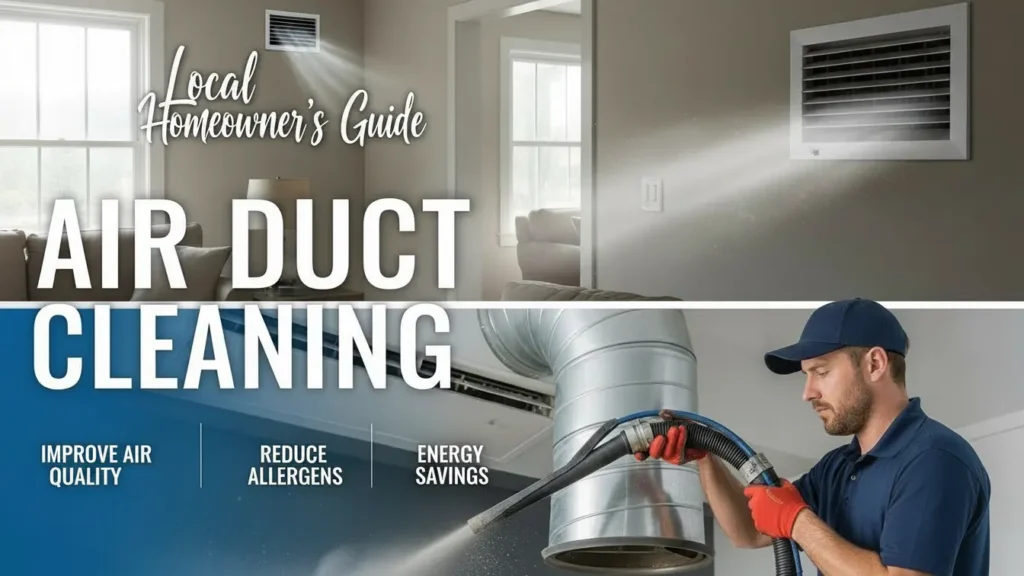
This guide is going to walk you through everything you need to know about air duct cleaning as a homeowner. We’ll cover when you need it, how to find the right people for the job, what to expect, and how to avoid getting ripped off.
What Is Present Inside Your Air Ducts
Before we get into the cleaning part, let’s talk about what we’re dealing with here. Your ductwork is basically a highway system for air. Conditioned air travels through supply ducts to reach every room. Return ducts pull air back to the HVAC system to be heated or cooled again.
Along the way, stuff gets picked up. Stuff gets deposited. Over the years, your ducts have become a collection point for:
- Dust and dust mites
- Pet hair and dander
- Pollen and outdoor allergens
- Mold and mildew spores
- Bacteria and viruses
- Insect parts and droppings
- Rodent debris in some cases
- Construction dust from past projects
- Skin cells and fabric fibers
Now, this doesn’t mean your ducts are a health hazard right this second. Every home is different. But it does mean that what’s in your ducts eventually ends up in the air you breathe. That’s just how the system works.
Signs Your Home Might Need Duct Cleaning
Not every home needs air duct cleaning right now. Some systems stay relatively clean for years. Others accumulate debris faster based on various factors. The key is knowing what to watch for.
Pay attention to these warning signs:
- Visible dust blowing from supply vents when the system runs
- Musty or stale odors that appear when heating or cooling kicks on
- Increased dust accumulation on furniture shortly after cleaning
- Allergy symptoms that seem worse when you’re home
- Unexplained respiratory issues in family members
- Visible mold growth around vents or inside ductwork
- Evidence of pests like rodent droppings or insect activity
- Recent home renovation or construction work
- You’ve never had the ducts cleaned and your home is older
If you’re noticing multiple signs from that list, it’s probably time to start looking into it seriously.
The Difference Between Legitimate Service and Scams
This is where things get a little frustrating. The air duct cleaning industry has some amazing professionals who do excellent work. But it also has its share of scammers and corner-cutters who give everyone else a bad name.
What happens with these ultra-cheap offers? A few common scenarios:
- They show up and immediately try to upsell expensive add-on services
- They do a quick, superficial cleaning that doesn’t actually help
- They “find” mold or other problems that may not exist to charge more
- They damage your ductwork and disappear before you notice
A legitimate, thorough duct cleaning for an average-sized home depends on system size and complexity. If someone is offering to do it for $49, they’re either losing money on every job or they’re not actually doing the job.
This is why finding a trustworthy air duct cleaning company matters so much. The wrong choice can waste your money, damage your system, or leave you with air quality that’s no better than before.
How to Choose the Right Company
So how do you find professionals you can trust? It takes a little research, but it’s worth the effort. A few extra minutes of homework can save you from a lot of headaches.
Start by checking for credentials and affiliations. NADCA certification is the industry standard. Companies that hold this certification have met specific requirements for equipment, training, and ethical practices. It’s not a guarantee of perfection, but it’s a good starting point.
Beyond certifications, look for these qualities:
- Years of experience in the local area
- Positive reviews from actual customers on multiple platforms
- Willingness to explain their process in detail
- Clear, written estimates before any work begins
- Proper licensing and insurance coverage
- No high-pressure sales tactics
- Professional-looking equipment and vehicles
- Technicians who can answer your questions knowledgeably
When you call an air duct cleaning company, pay attention to how they handle the conversation. Do they ask questions about your home and your concerns? Do they explain what’s included in their service? Or do they just push for an immediate appointment without any real discussion?
Good companies want informed customers. They know that educated homeowners make better decisions and are happier with the results.
What Happens During a Professional Cleaning
If you’ve never had your ducts cleaned before, you might wonder what the process looks like. It’s more involved than you might expect. A proper job takes time and specialized equipment.
The Inspection Phase
Before any cleaning starts, a good technician will inspect your system. They need to understand what they’re working with. How big is your system? What condition is it in? Are there any access issues or problem areas?
This inspection might include cameras inserted into the ductwork to see what’s really going on inside. Some companies will show you photos or videos of what they find. This isn’t meant to gross you out or scare you into buying more services. It’s just honest documentation of your system’s condition.
The Actual Cleaning Process
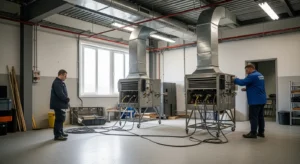
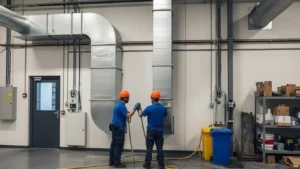
Professional air duct cleaning uses specialized equipment. This isn’t a guy with a shop vac poking around your vents. Real cleaning requires negative pressure systems, agitation tools, and proper access points.
Here’s what happens:
- Technicians create access points into the main trunk lines of your duct system
- A powerful vacuum system is connected to put the ductwork under negative pressure
- This negative pressure prevents loosened debris from spreading throughout your home
- Agitation devices like brushes, air whips, or compressed air tools loosen built-up debris from duct walls
- The debris is pulled toward the vacuum and captured
- All supply and return vents are cleaned individually
- Access points are properly sealed when complete
The whole process might take two to four hours for an average home. Larger homes or heavily contaminated systems take longer. Anyone claiming they can clean your whole system in 30 minutes probably isn’t doing much.
After the Cleaning
When the job is done, you should notice a difference. The air might smell cleaner. Dust accumulation might slow down. If you were having allergy issues, they might improve.
A reputable company will walk you through what they did and what they found. They might offer recommendations for maintaining your system going forward. They shouldn’t pressure you into additional services right then and there.
Should You Clean Your Ducts Yourself?
We understand the temptation. DIY videos make everything look so easy. And you might think, how hard can it be to clean some tubes?
The honest answer is that homeowners can handle some basic maintenance. Cleaning your vent covers and registers is totally doable. You can replace your air filters regularly. You can keep the area around your HVAC equipment clean and clear.
But deep cleaning the ductwork? That’s a different story.
Professional equipment creates serious negative pressure. This is what keeps debris from blowing into your living space during cleaning. Without it, you risk spreading contaminants everywhere. You might end up with more dust floating around than before you started.
There’s also the risk of damaging your ducts. Flexible ductwork can tear easily. Improperly sealed access points can create leaks. Damaged ducts reduce your system’s efficiency and can create ongoing problems.
For thorough duct cleaning, professional equipment and training really do make a difference. This is one of those jobs where hiring a good air duct cleaning company pays off.
When is the Right Time to Clean?
Timing matters. You don’t want to clean too early and waste money. You don’t want to wait too long and let problems develop.
Several situations make duct cleaning particularly valuable:
After Moving Into a Previously Owned Home
You don’t know what the previous owners did or didn’t do. You don’t know if they had pets, smoked inside, or let things get really dirty. Starting fresh with clean ducts gives you a baseline for your ownership.
After Construction or Renovation
Any kind of construction work sends particles into the air. Drywall dust, sawdust, insulation fibers, and other debris get pulled into your HVAC system. Even small projects can deposit significant contamination in your ductwork. Cleaning afterward removes that stuff before it circulates through your home for years.
After Pest Problems
If you’ve had mice, insects, or other pests in your ductwork, cleaning is pretty much mandatory. You don’t want to breathe air that passes over rodent droppings. That’s not being paranoid. That’s just basic health sense.
When Health Symptoms Appear
If family members develop unexplained allergies, respiratory issues, or other symptoms that seem connected to time spent at home, dirty ducts might be contributing. This is especially true if symptoms improve when people spend time away from the house.
Common Myths About Duct Cleaning
There’s a lot of misinformation floating around. Some of it comes from scammy companies trying to scare people. Some of it comes from well-meaning but confused sources. Let’s clear up a few things.
Myth: Duct cleaning is a scam, and nobody needs it
This isn’t true. While some companies are dishonest, the service itself has legitimate value when done correctly. Ducts do accumulate debris over time. Cleaning can improve air quality and system efficiency in homes that need it.
Myth: You need to clean your ducts every year
Also not true for most homes. Unless you have specific circumstances like heavy pet presence, smokers, or ongoing construction, most systems don’t need annual cleaning. Every three to five years is more typical for average homes. Some go even longer without problems.
Myth: Duct cleaning will solve all your allergies
Air duct cleaning can help with indoor air quality. But it’s not a cure-all. If you have severe allergies, cleaning your ducts is just one piece of the puzzle. Air purifiers, better filtration, source control, and medical treatment might all play roles too.
Myth: All duct cleaning companies are basically the same
This is dangerously wrong. The difference between a professional operation and a fly-by-night scam can be huge. The quality of equipment, training, and actual cleaning varies dramatically. Choosing the right company matters.
The Cost Question
We touched on this earlier, but let’s dig in a little more. Price is obviously a concern for homeowners. Nobody wants to overpay. But nobody wants to pay for nothing either.
Smaller homes might be less. Larger homes, homes with multiple systems, or homes with serious contamination might be more.
Factors that affect price include:
- Total square footage of your home
- Number of vents and returns in your system
- Accessibility of your ductwork
- Level of contamination present
- Geographic location and local market rates
- Additional services like sanitizing or mold remediation
When getting quotes, ask what’s included. A detailed written estimate should specify which components are covered. Compare apples to apples. A slightly higher price from a reputable air duct cleaning company usually beats a rock-bottom price from someone you’ve never heard of.
Maintaining Your System Between Cleanings
Once your ducts are clean, you want to keep them that way as long as possible. Regular maintenance helps extend the time between professional cleanings.
Some simple habits make a difference:
- Change your air filters regularly, typically every one to three months
- Keep your home reasonably clean to reduce the dust that enters the system
- Address any water leaks or moisture problems promptly to prevent mold
- Keep vents and returns unblocked by furniture or drapes
- Consider higher-quality filters if allergies are a concern
- Schedule regular HVAC maintenance to catch problems early
These steps won’t eliminate the need for eventual cleaning. But they’ll help your system stay healthier longer.
Why Omega Duct Cleaning Does This Work Differently
At Omega Duct Cleaning, we’ve been serving homeowners in this community for years. We’ve seen what happens when duct cleaning goes right. We’ve also cleaned up after companies that did it wrong.
Maybe everything is fine. Maybe your ducts are relatively clean. But if you’ve been noticing signs, if you can’t remember when they were last cleaned, if you’re living with mysterious dust or strange smells or symptoms that won’t go away, it might be time to find out for sure.
Contact us and talk about your home. A quick conversation costs nothing. But continuing to ignore a problem that affects every breath your family takes? That could cost more than you realize.